10 Common PHP Interview Questions (With Practical Answers for 2025)
Introduction
If you’re preparing for a PHP developer interview in 2025, you’re in the right place. PHP remains one of the most popular server-side scripting languages, powering millions of websites and frameworks like Laravel and WordPress. In this post, we’ll go through 10 common PHP interview questions, explained in a way that connects theory with real-world usage.
1. What is PHP and why is it widely used?
Answer:
PHP (Hypertext Preprocessor) is an open-source server-side scripting language designed for web development. It integrates easily with HTML, supports numerous databases, and runs on almost all servers like Apache and Nginx. In real life, companies use PHP because it’s lightweight, fast, and has a massive developer community.
2. What is the difference between echo and print in PHP?
Answer:
Both echo and print are used to output text to the browser.
- echo can take multiple parameters and is slightly faster.
- print can only take one argument but always returns
1, which means it can be used in expressions.
Example:
echo "Hello World!";
print "Welcome to PHP!";
3. What are PHP data types?
Answer:
PHP supports several data types, including:
- String
- Integer
- Float (Double)
- Boolean
- Array
- Object
- NULL
- Resource
Understanding data types helps prevent runtime errors and improves code efficiency.
4. Explain variable scope in PHP.
Answer:
PHP variables have four scopes:
- Local: Declared inside a function and accessible only there.
- Global: Declared outside functions; use the
globalkeyword to access them inside. - Static: Retain value even after function execution.
- Parameter: Variables passed to functions.
5. What are PHP Sessions and Cookies?
Answer:
Both store user information, but they differ:
- Session: Stores data on the server. Ends when the user closes the browser or logs out.
- Cookie: Stores data in the user’s browser for future use.
Example: You might use a session for login data and a cookie to remember a username.
6. How does PHP connect with MySQL?
Answer:
You can connect PHP with MySQL using MySQLi or PDO. PDO is preferred because it supports multiple databases and prepared statements.
Example using MySQLi:
$conn = new mysqli("localhost", "root", "", "database_name");
if ($conn->connect_error) {
    die("Connection failed: " . $conn->connect_error);
}
7. What is the difference between include() and require()?
Answer:
Both are used to include external PHP files.
- include() shows a warning if the file is missing but continues execution.
- require() stops the script if the file is missing.
Best practice: Use require_once() to avoid including the same file multiple times.
8. How do you handle errors in PHP?
Answer:
Error handling in PHP can be done using:
error_reporting()set_error_handler()- try...catch blocks for exceptions
Example:
try {
    throw new Exception("Custom error message");
} catch (Exception $e) {
    echo "Error: " . $e->getMessage();
}
9. What are Traits in PHP?
Answer:
Traits are a mechanism for code reuse in single inheritance languages. They allow you to use methods across multiple classes.
Example:
trait Logger {
    public function log($msg) {
        echo "Log: $msg";
    }
}

class User {
    use Logger;
}
10. How do you secure a PHP application?
Answer:
Security is a top priority in interviews. Mention these best practices:
- Use prepared statements to prevent SQL injection.
- Use
password_hash()andpassword_verify()for authentication. - Validate and sanitize all user inputs.
- Keep PHP and frameworks up to date.
Conclusion
PHP may be one of the oldest web languages, but it continues to evolve with modern features, improved security, and powerful frameworks. If you study these questions and understand the logic behind them, you’ll feel confident in any PHP developer interview.
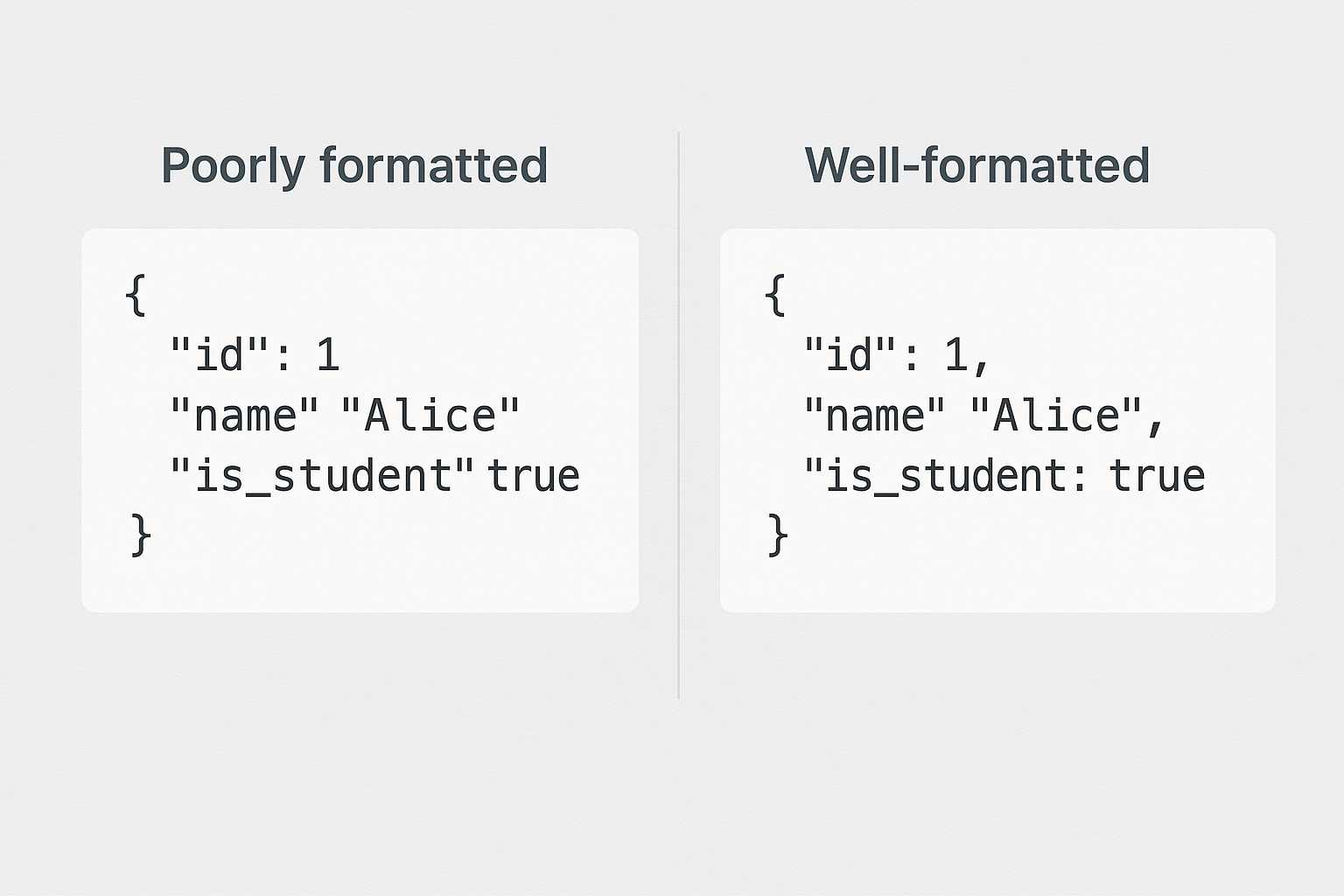
To strengthen your hands-on skills, try building small tools like a JSON Formatter or Base64 Encoder — practical experience always beats memorization.