When Manual Minification Makes More Sense Than Automated Pipelines
There’s a comforting rhythm to modern development pipelines—install a package, set up a config, and let automation take the wheel. But there are moments when that wheel starts feeling a little oversized for the vehicle you’re driving. Not every project needs a full build system, and not every optimization requires a toolchain humming in the background. That’s where manual minification earns a quiet but meaningful place.
Why the simplest approach sometimes wins
For small or static sites, adding bundlers and watchers can feel like using a power drill to tighten a pair of glasses. The overhead is real: more dependencies, longer setup, more things that can break. When you’re maintaining a page or two, or a micro-feature inside a larger platform, the friction isn’t always worth it.
I’ve met developers who spent more time tweaking their build configs than writing the actual CSS those configs were meant to compress. That imbalance becomes obvious when a feature doesn’t change often, or when the final code is tiny enough that manual trimming is faster than wiring up a full pipeline.
The kinds of projects that benefit from hand-tuned minification
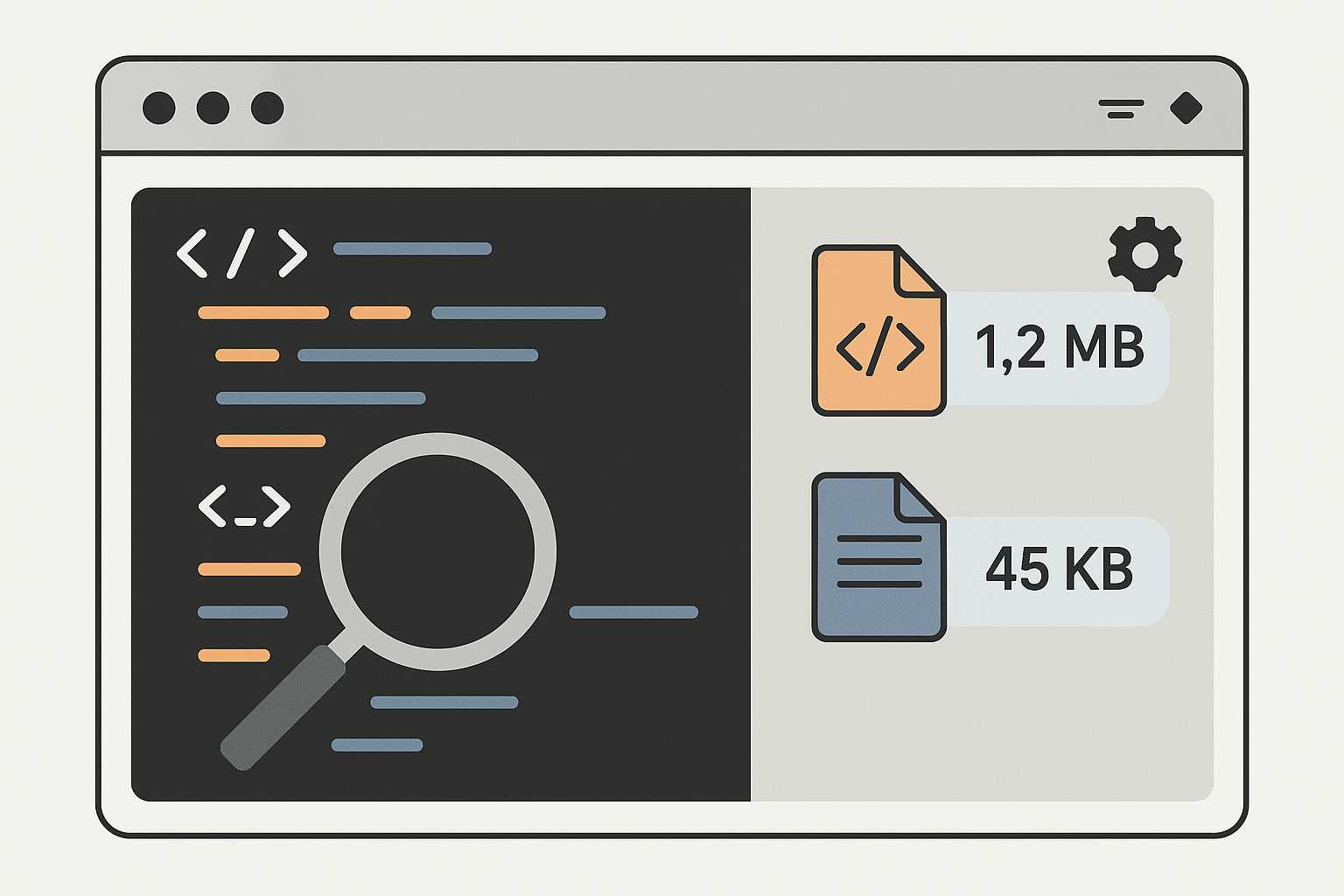
Some projects lend themselves naturally to this lightweight approach. A personal site crafted by hand, an embedded widget running on a no-build environment, a prototype that needs to stay agile—all of these situations reward direct control. When your entire stylesheet is under 5 KB, shaving off a few stray spaces manually isn’t a burden; it’s a small maintenance task you finish before your coffee cools.
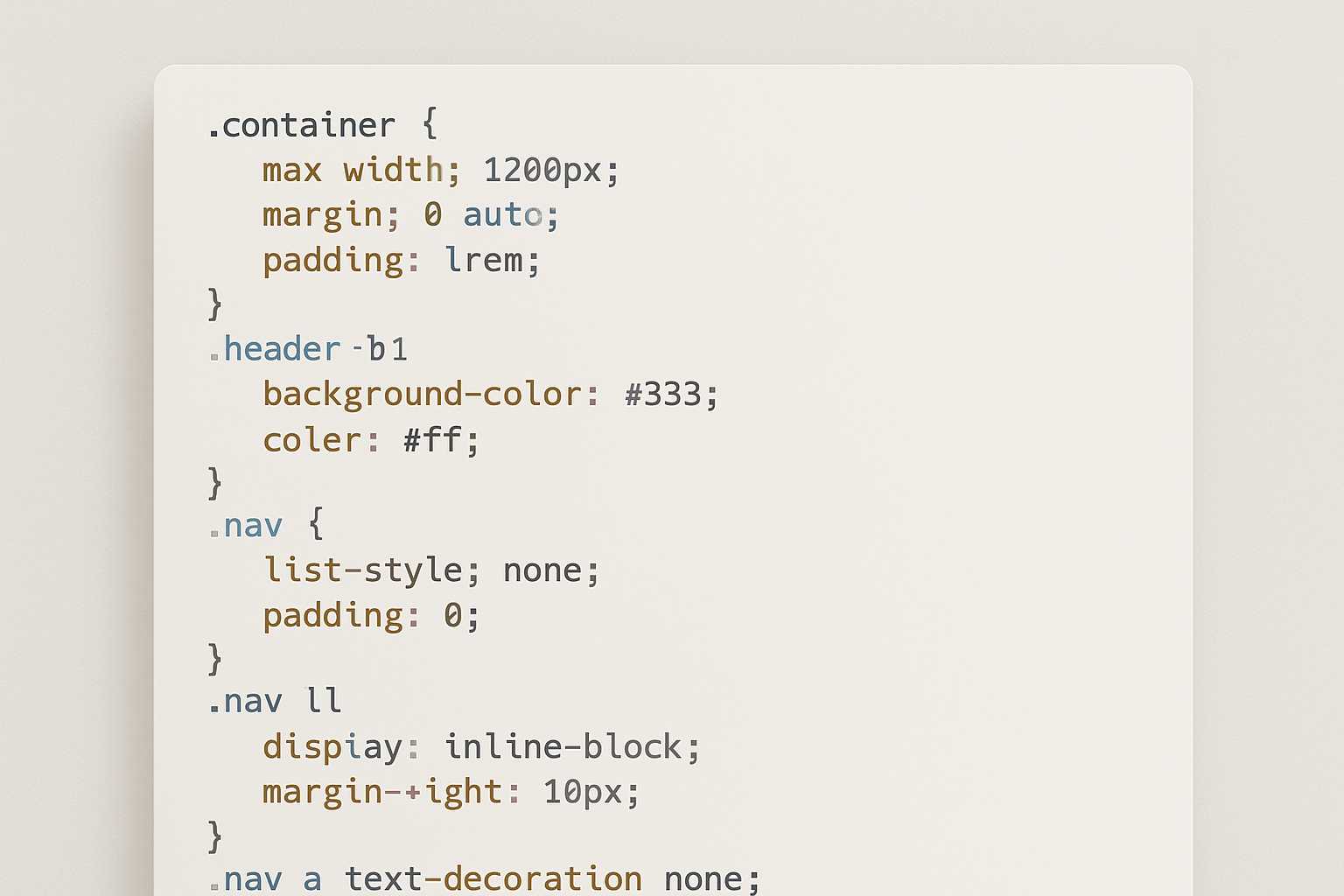
And there’s a hidden perk: manual minification often forces you to truly see your code. You notice repeated patterns, unused selectors, or awkward chunks you can rework. These micro-reviews lead to cleaner styles and scripts, something automated tools can’t fully provide.
Knowing when pipelines add more noise than value
Automated pipelines shine when a project is large, collaborative, or frequently updated. But not every environment fits that description. Sometimes you’re building something meant to be deployed once and rarely touched again. Sometimes the hosting environment is intentionally barebones. Sometimes the potential debugging friction of transformed code outweighs the gains.
Imagine a legacy system that allows only file uploads without any external build process. Introducing a toolchain there is either impossible or unnecessarily complex. In those cases, manual minification is the pragmatic option—not a nostalgic one.
A practical workflow that stays lightweight
You don’t have to go fully manual with every keystroke. Many developers keep a small helper tool bookmarked, something they can paste code into when needed. I’ve even used a quick CSS minifier during short maintenance cycles, not as a pipeline replacement but as a simple convenience.
Pairing this habit with a clean folder structure and concise naming is often enough for small projects. It reduces mental overhead and keeps version control clean. There’s something refreshing about opening a repo and seeing nothing but the files that matter—no configs, no lock files, no dependency trees taller than the project itself.
What manual minification teaches you about your own code
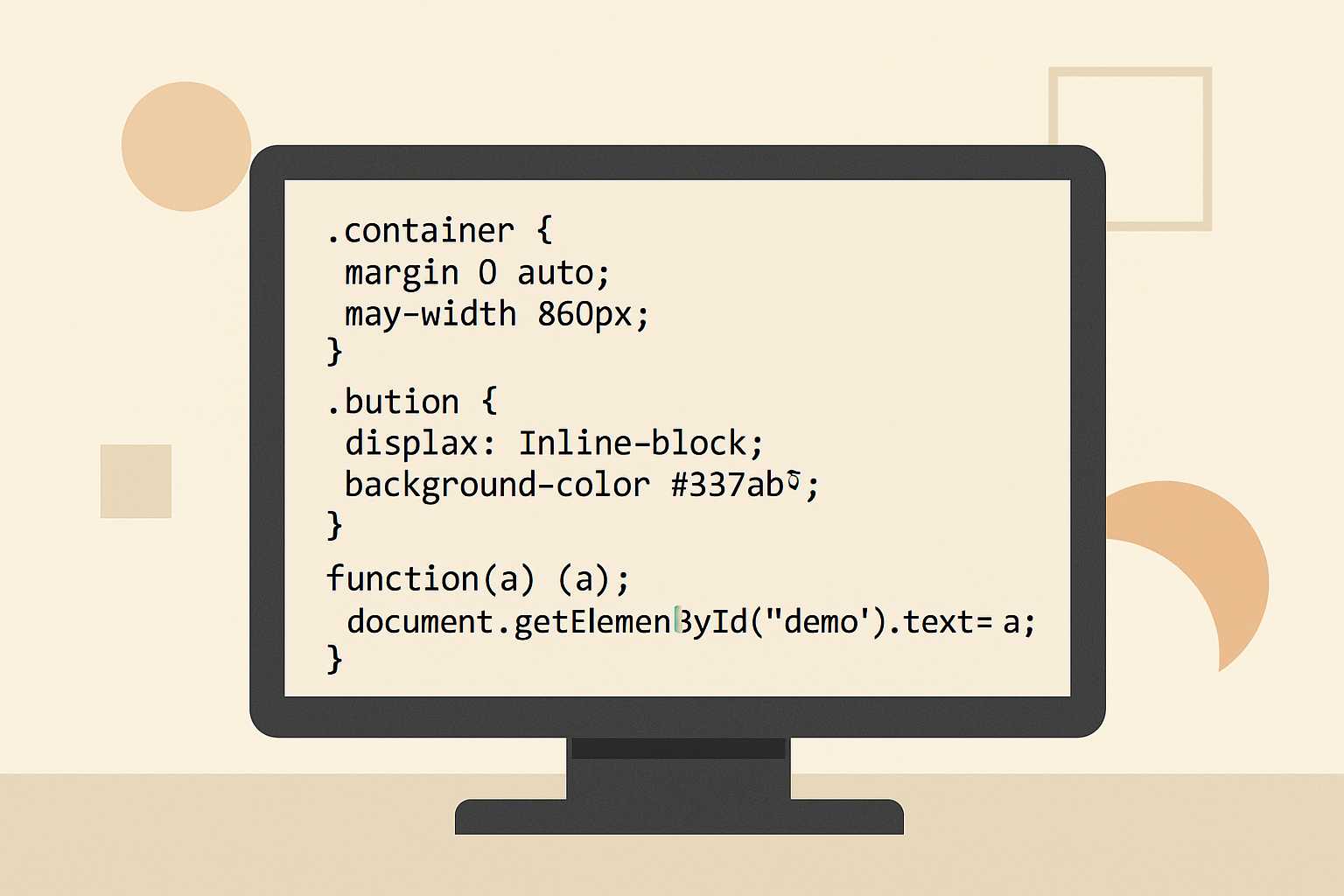
One unexpected benefit of stepping away from automation is clarity. When you compress your own CSS or JavaScript, even occasionally, you develop a sharper sense of what’s essential. You notice bloat earlier. You start writing more compactly by default.
It feels similar to hand-writing SQL queries instead of relying entirely on ORMs. There's a craftsmanship element to it, a tactile awareness that keeps you closer to the real output.
Finding balance instead of choosing sides
This isn’t an argument against automation. Pipelines have earned their place, especially in larger applications. But they don’t need to be the default everywhere. The smarter approach is choosing based on context rather than habit.
For developers already exploring areas like inline styling for micro-optimizations or experimenting with formatted JavaScript snippets, manual minification fits naturally into that mindset. It’s part of a broader philosophy: use only what the project genuinely needs.
The point where manual and automated meet
Some teams even blend the two. A lightweight project might begin with manual optimization, and only later—if the scope grows—adopt a build pipeline. By that point, the codebase is already fairly lean, making the future automation cleaner and easier to maintain.
This hybrid approach avoids premature complexity. It respects the early-stage constraints while leaving room for future growth. Not every project deserves a heavy foundation at the start; some earn it gradually.
A conclusion with a calmer perspective
Manual minification isn’t about rejecting modern tools. It’s about recognizing the moments where a lighter touch is not only sufficient but preferable. When the codebase is small, the update cycles are infrequent, or the environment is constrained, keeping things simple becomes a form of optimization in itself.