Practical Ways Developers Validate JSON Before Deployment
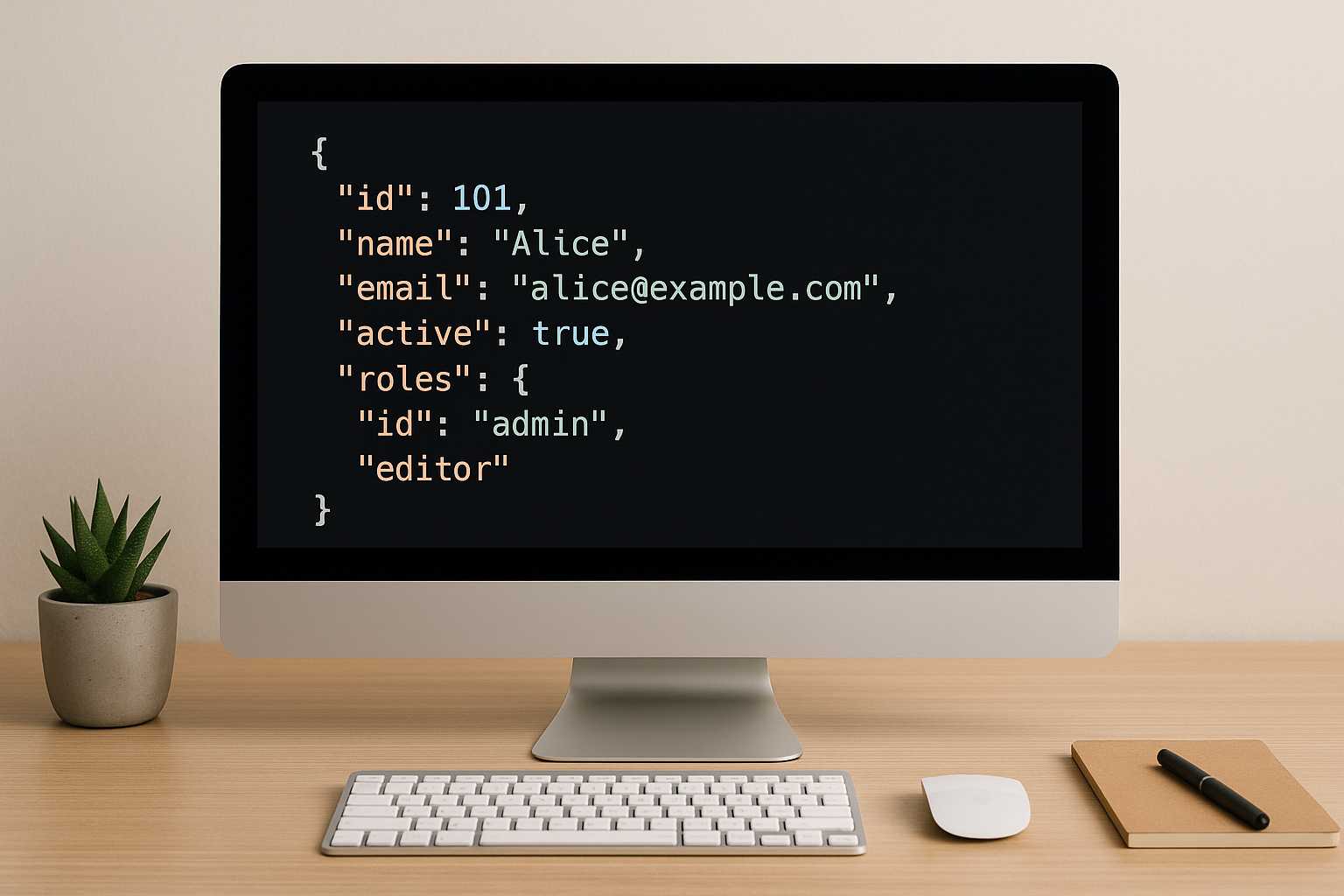
Debugging a failing feature is frustrating enough, but discovering the issue was caused by something as small as a missing brace or an unexpected value inside a JSON file adds a special kind of annoyance. JSON tends to look simple on the surface, yet tiny mistakes inside it can ripple through builds, break APIs, or trigger silent errors that only show up much later. That’s why developers lean on a set of practical ways to validate JSON long before the code moves anywhere near production.
JSON validation isn’t glamorous, and it doesn’t need to be. What matters is catching problems early. Most developers build their own rhythm of checks that keep bad data out of the deployment pipeline. These checks don’t require heavy tools or strict rules—just small habits that consistently pay off.
The First Line of Defense: Basic Syntax Checks
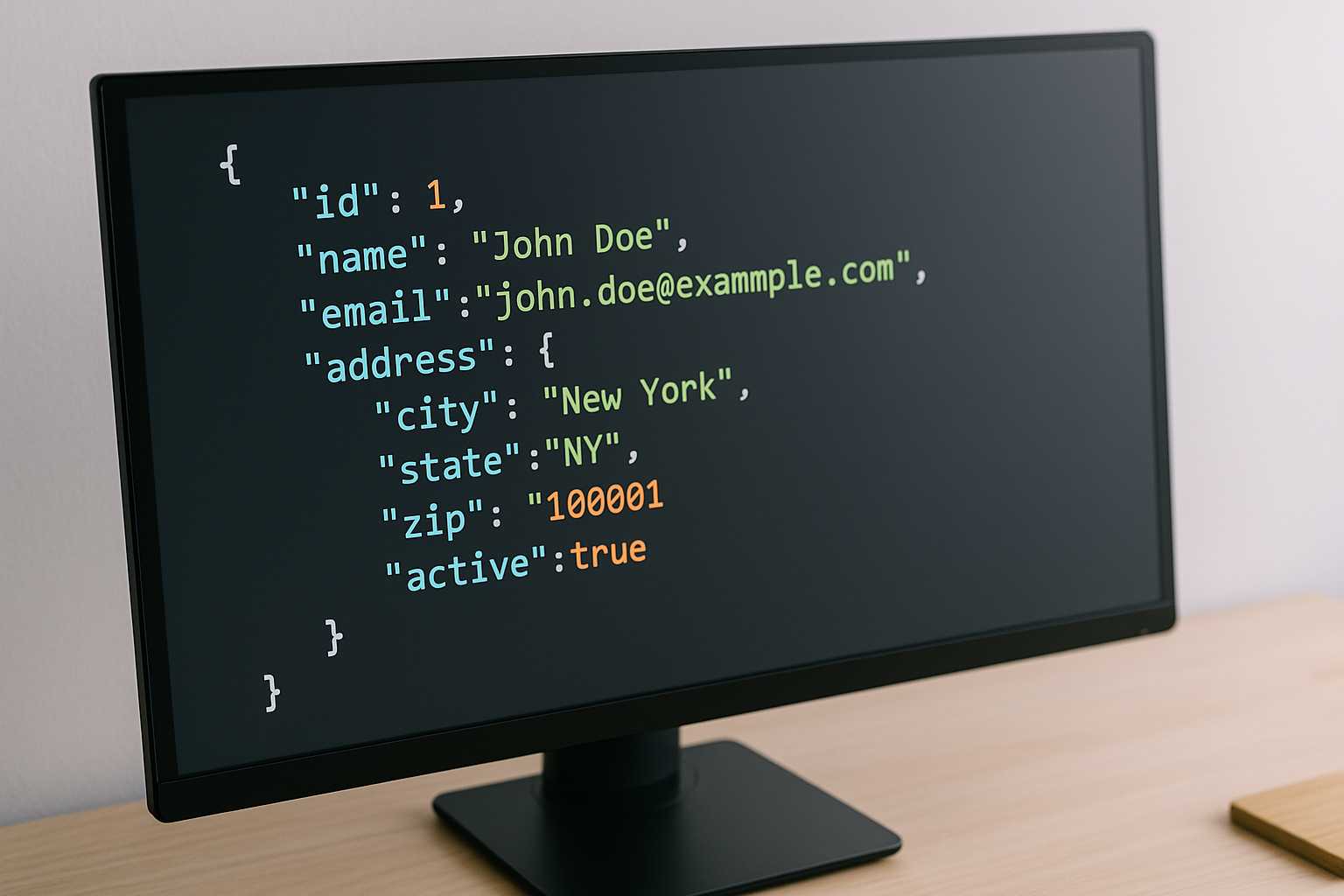
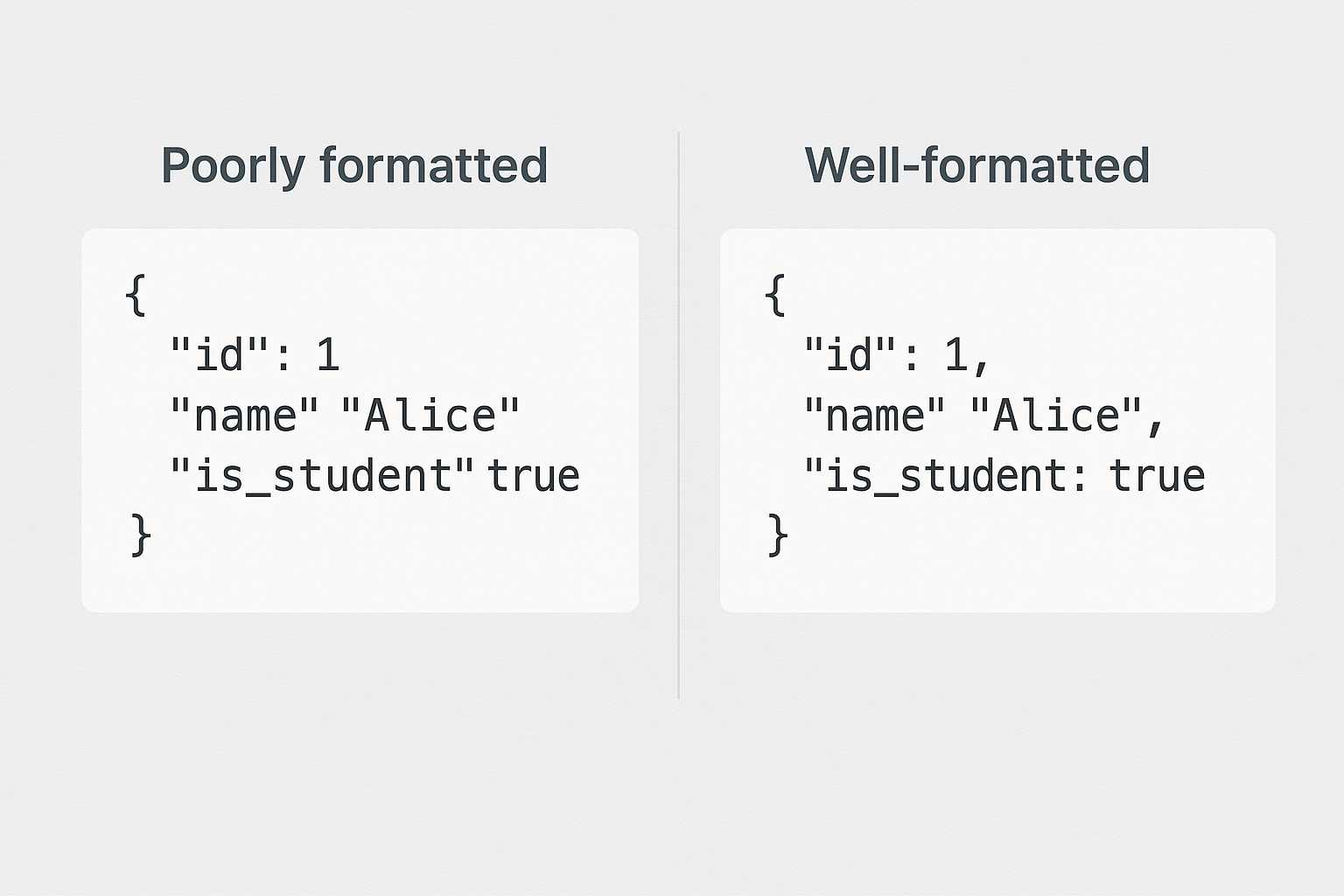
Most JSON issues start with the basics. A missing comma, an extra curly brace, a mismatched quote—simple mistakes that happen easily when editing quickly. Running a basic syntax check saves hours of unnecessary debugging.
These quick checks often happen while testing an API response or manually adjusting config files. Many developers even build these checks into their development setup so errors surface immediately. It’s the same idea as linting code: prevent simple mistakes from slipping through unnoticed.
Sometimes, a small adjustment is all that’s needed. While reviewing a config file recently, I ended up opening {{link_of_tool}} just to get the structure formatted and readable enough to spot a stray property that didn’t belong. The fix took seconds once everything was clear.
Validating Against a Schema
When projects grow, JSON doesn’t stay simple. It evolves into structured responses with expectations around types, required fields, default values, and naming consistency. A schema helps catch mismatches between what the system expects and what the JSON actually contains.
Schema validation becomes especially helpful when:
- Multiple services share the same data
- Frontend and backend are tightly connected
- APIs return large, deeply nested objects
Schema validation tools allow developers to verify not just the syntax but the meaning of the data. For example, ensuring that "id" is always a number, "items" is always an array, and "status" only accepts certain values.
Without schema validation, developers often discover errors one step too late—after something already broke.
Using Test Environments as a Safety Net
Even when JSON looks correct, the real test happens in an environment that behaves like production. Many teams reserve a test or staging environment specifically for validating API responses and configuration data.
This environment helps expose problems that don’t appear in isolation, such as:
- Unexpected null values
- Extra fields not handled by the receiving service
- Missing keys that cause UI components to crash
- Data that is technically valid JSON but logically incorrect
Developers notice these issues quickly because the feature behaves differently than expected. It’s one of the reasons staging environments stay valuable even in small projects.
Automated Validation in CI Pipelines
Once a team becomes tired of fixing the same kinds of JSON issues repeatedly, the next natural step is automation. Continuous Integration pipelines can run validators automatically after every commit or before a merge.
This prevents incorrect JSON from ever reaching the main branch. It also creates a consistent workflow across teams, where:
- Every change is validated
- No human step is forgotten
- Mistakes are caught at the earliest stage
Automated checks are especially useful for configuration files stored in version control. A team might update feature flags, environment variables, or API mappings and accidentally create an invalid JSON structure. A quick automated validator stops the merge and highlights the mistake immediately.
Automation isn’t about replacing human review. It’s about removing the burden of repeating the same checks over and over.
Realistic Mocking During Development
Mocking is another subtle but effective form of JSON validation. When developers create mock data to preview UI components or simulate API responses, it often exposes issues that formal validators might not catch.
A UI breaking because a field name changed is sometimes the fastest way to realize the JSON isn’t consistent across the project. Developers also use mock data to test edge cases—particularly scenarios that real data doesn’t hit often.
By intentionally pushing the boundaries of the JSON structure, mocking helps make the system more resilient before code moves toward deployment.
Comparing Versions to Catch Hidden Differences
JSON often changes over time, and subtle differences between versions can introduce bugs no validator would flag. Manually comparing versions is tedious, especially when objects are large or deeply nested.
Developers sometimes use diff tools to spot:
- Renamed keys
- Removed fields
- Added fields that affect downstream systems
- Changes in value types
- Shifts in structure or nesting
These comparisons become extremely important when an API is updated or when old configs are replaced with new ones. A single changed field name can break a feature that depends on it, so catching these differences early helps prevent unnecessary debugging later.
Team Review: Another Layer of Safety
Human review still plays a big role in JSON validation. Even though tools catch syntax errors and schema mismatches, they don’t always catch logic issues. A teammate might notice that a field belongs in another object or that a naming pattern doesn’t match the rest of the structure.
Developers often review JSON during:
- Pull requests
- Architecture discussions
- API contract meetings
- Pair programming sessions
These reviews help ensure the structure makes sense, not just that it’s technically valid.
JSON is communication, after all—not only between services but between developers who must understand it quickly.
Combining Techniques for Stronger Validation
Each method—syntax checking, schema validation, staging tests, automation, mocking, diffing, and human review—catches different kinds of problems. Relying on one alone leaves gaps. Using a combination strengthens the safety net.
What matters most is building a workflow that consistently verifies the structure, meaning, and stability of the JSON your project depends on.
Closing Thoughts
No matter how experienced a developer is, JSON mistakes still happen. They’re small, sneaky, and often appear at the worst times. Practical validation habits reduce that risk dramatically. These habits don’t need to be complicated—they just need to be consistent.
A little validation early on prevents a lot of troubleshooting after deployment. And when JSON behaves the way the system expects, everything else becomes just a bit easier to build and maintain.