How AI Is Revolutionizing Software Testing in 2025
Introduction
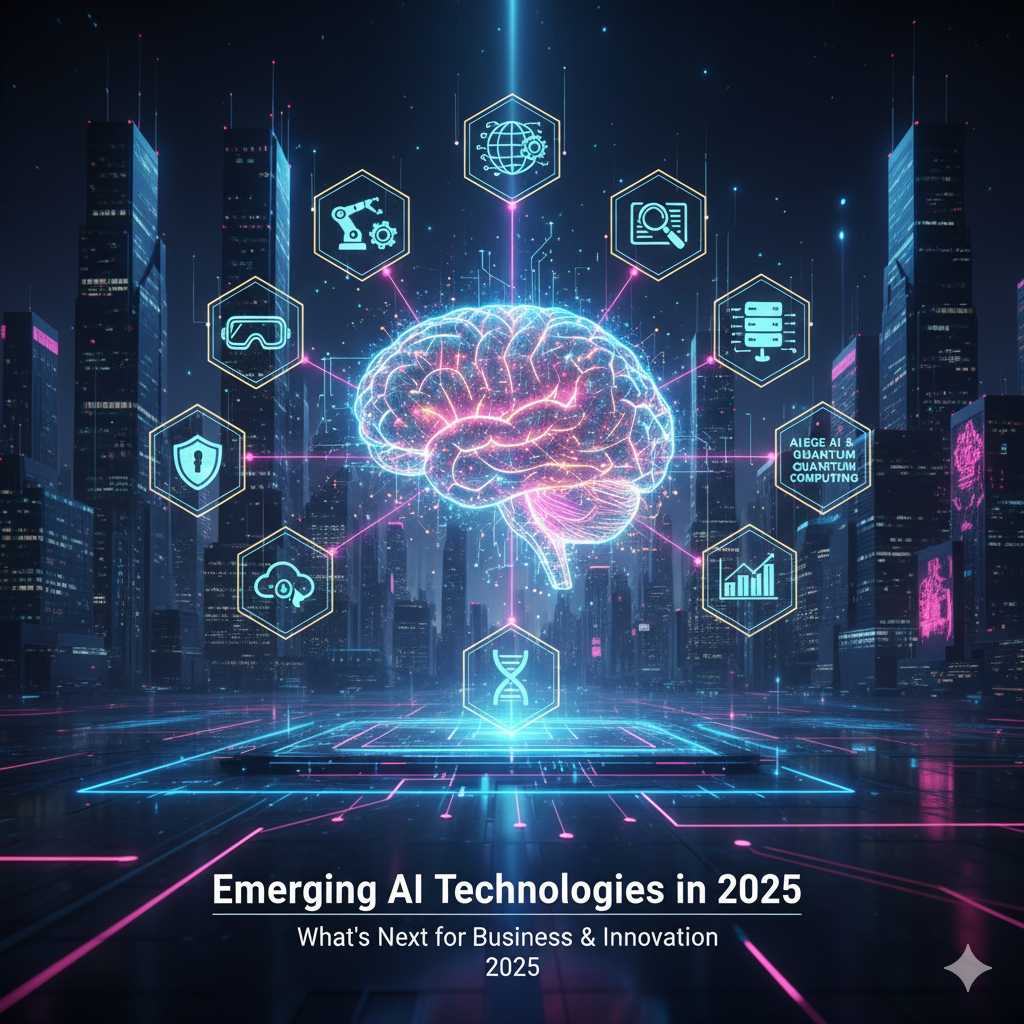
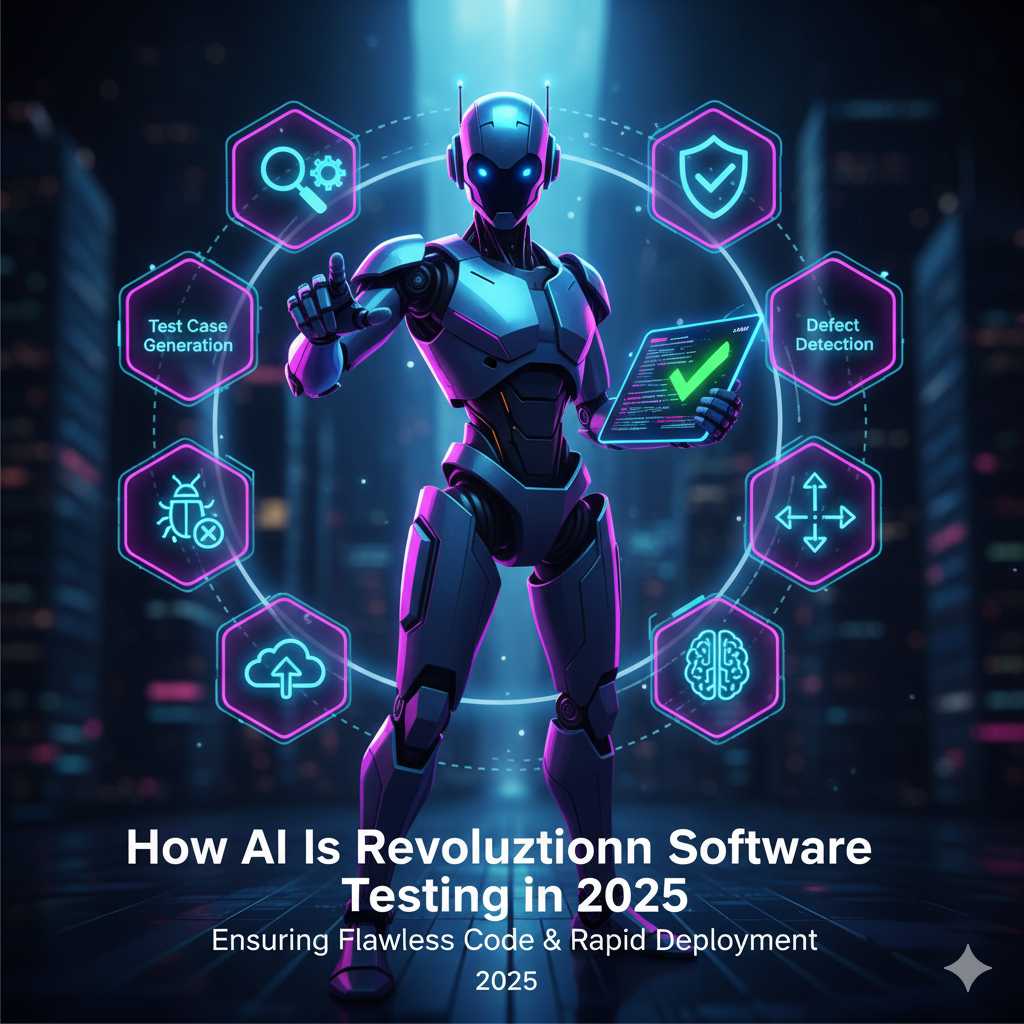
Software testing has always been one of the most time-consuming parts of the development process. In 2025, Artificial Intelligence (AI) is completely changing how developers and QA engineers test applications. From detecting bugs automatically to predicting failures before they happen, AI is redefining quality assurance like never before.
1. What Is AI-Powered Software Testing?
AI-powered testing uses machine learning algorithms to analyze code, detect patterns, and identify potential errors without human intervention. These systems learn from previous tests and continuously improve accuracy over time.
2. Smarter Test Case Generation
Instead of writing manual test cases, AI tools can automatically generate and prioritize them based on code changes and user behavior. Tools like Testim and Functionize analyze your application’s structure to create efficient, reusable test scripts — reducing hours of manual effort.
3. Predictive Defect Analysis
AI can now predict bugs before they occur. By studying historical data and code commits, AI tools can identify high-risk modules likely to break after new updates. This helps developers fix problems early in the cycle, saving time and cost.
4. Visual & Regression Testing with AI
Traditional regression testing requires comparing thousands of UI screenshots — a painful and repetitive task. With AI-based visual testing tools like Applitools Eyes and Mabl, differences in layout, color, and functionality are automatically detected in seconds.
5. AI for Continuous Testing in DevOps
In modern CI/CD pipelines, speed matters. AI-based systems can monitor builds, test automatically after deployment, and even rollback releases if errors are found. This ensures faster, more stable deployments — a must-have for agile teams.
6. Test Data Generation & Maintenance
AI automates data creation for test environments, reducing dependency on manual setup. It can also clean up outdated test data, ensuring accuracy and compliance with privacy standards like GDPR.
7. Popular AI Testing Tools in 2025
- Testim: Smart automated testing using AI-based test creation and maintenance.
- Mabl: Cloud-based AI testing for web and mobile apps with visual validations.
- Functionize: Combines NLP and ML to automate functional and regression testing.
- Applitools: AI-powered visual testing platform for consistent UI validation.
8. Benefits of Using AI in Testing
- 🚀 Faster test cycles and release speed.
- 🤖 Automated bug detection and reduced human error.
- 💡 Predictive insights for better test coverage.
- 💰 Lower maintenance costs for test scripts.
9. Integrate AI with Developer Tools
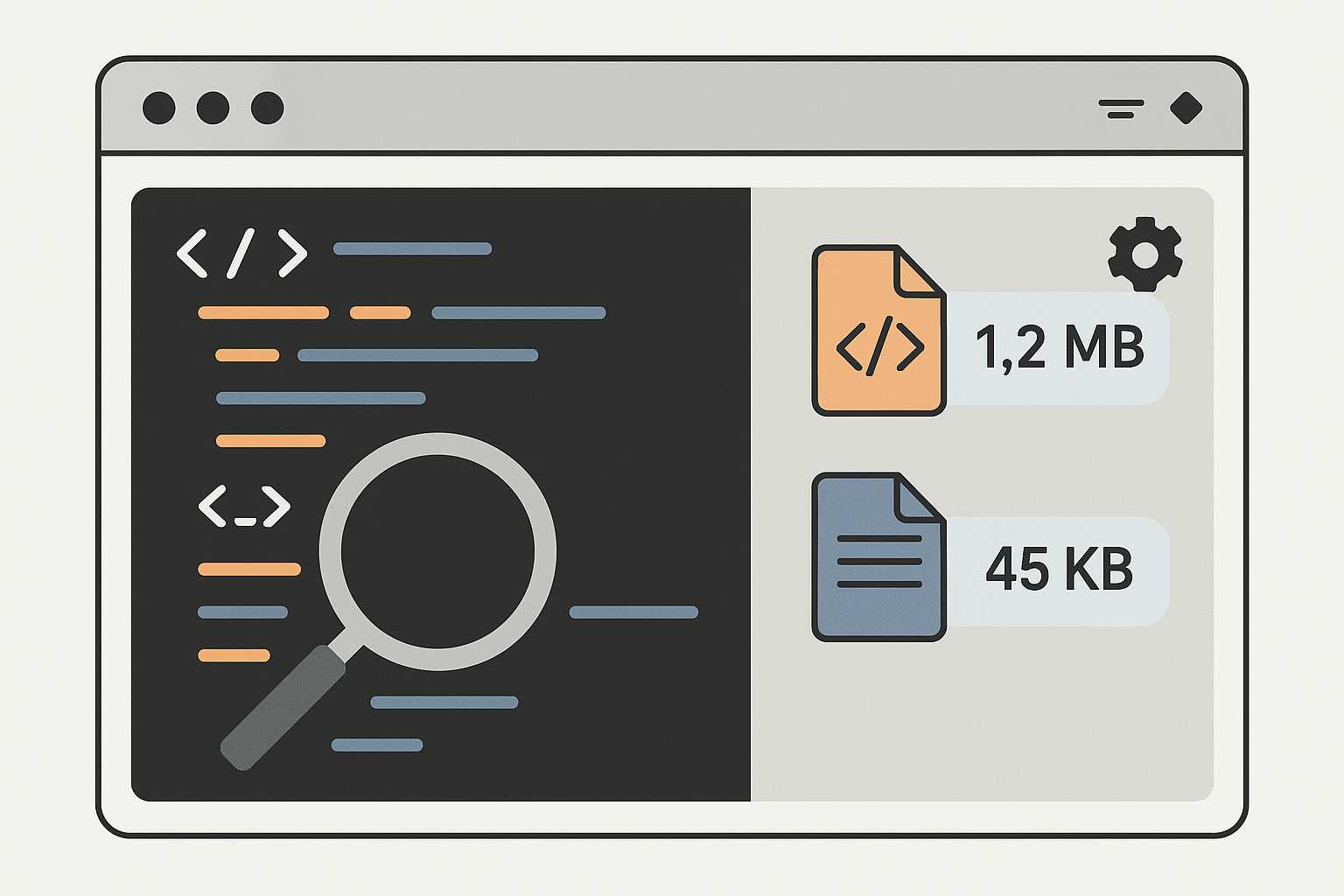
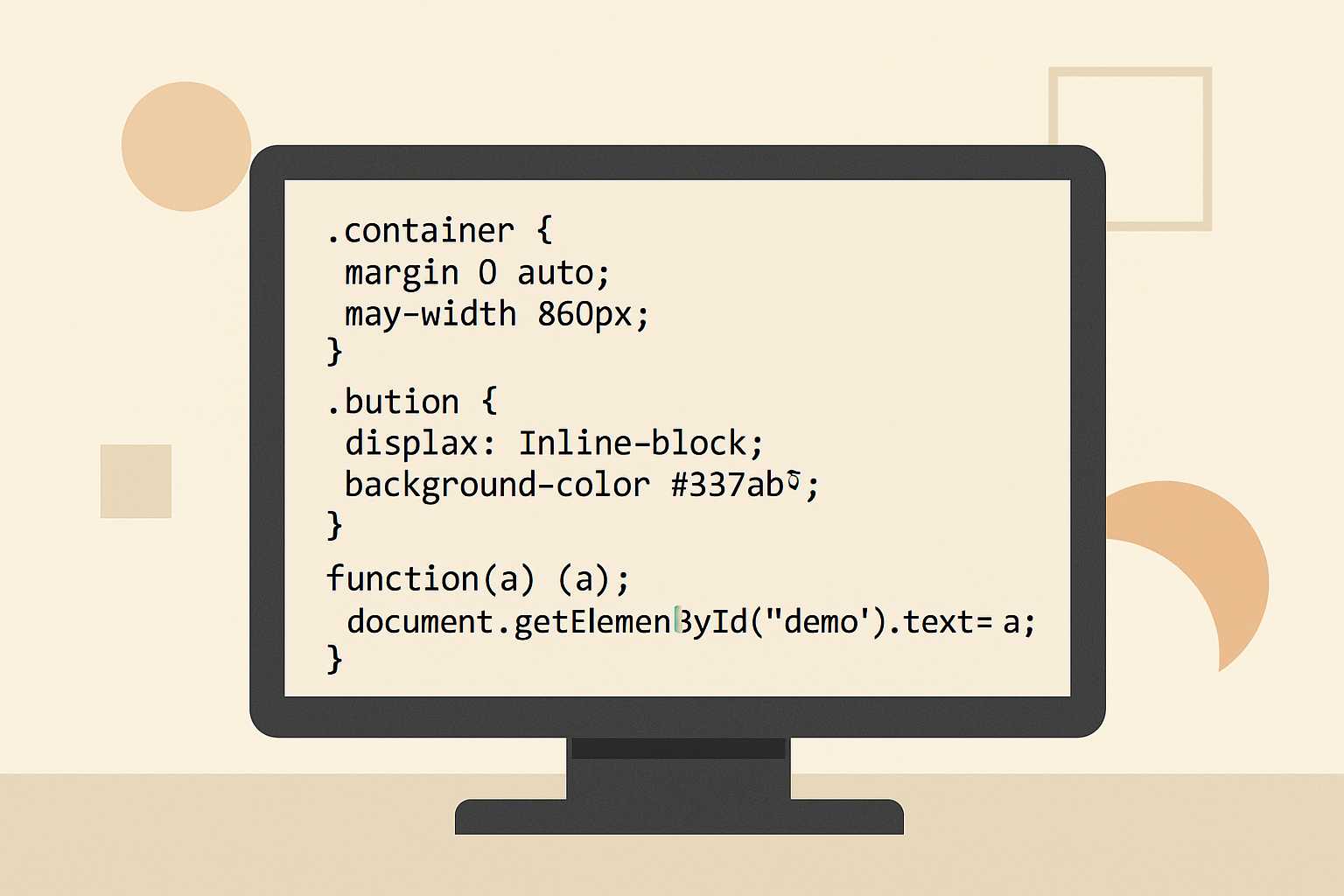
AI tools can be integrated into your everyday workflow. For example, combine KnowAdvance JSON Formatter for validating data, or use the CSS/JS Minifier for optimizing front-end testing performance.
Conclusion
AI is transforming the testing world — making it faster, smarter, and more reliable. As we move deeper into automation in 2025, developers and QA engineers who embrace AI testing tools will deliver cleaner, more stable software in record time. The future of software quality assurance is intelligent automation.