How QR Codes Quietly Simplify Our Everyday Digital-to-Physical Tasks
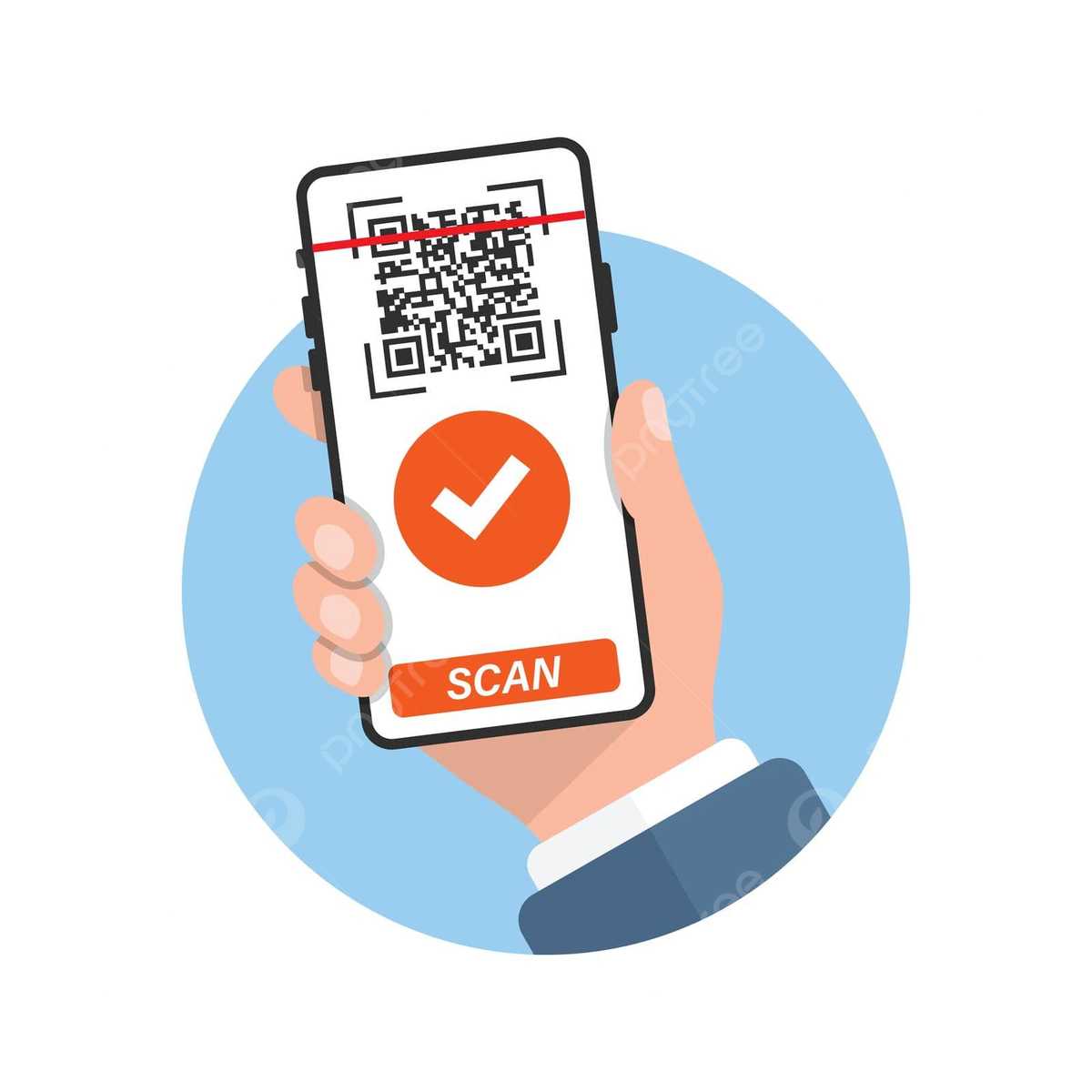
There’s something almost invisible about the way QR codes have blended into our daily routines. We pull out a phone, scan a small square, and move on without thinking about what just happened behind the scenes. That tiny code has become a bridge—quiet, fast, and surprisingly capable. And when you take a closer look, the number of places where it smooths out everyday friction is much larger than it first appears.
One of the clearest examples comes from places where people need to jump from the physical world back into a digital action without digging through menus or searching online. You walk into a coworking space and find the Wi-Fi QR code taped near the desk. Instead of typing a long password that never seems to be case-sensitive in the way you expect, one scan and you’re connected. The same goes for delivery lockers, visitor check-ins, ticket confirmations, and even small moments like pulling up a digital warranty for a gadget you just unboxed. They condense what would otherwise be multi-step processes into something you can complete before your coffee cools.
The retail world has found an especially natural fit for QR codes, and not just for payments. Stores often use them to help people explore product variations that aren’t on display, read reviews, or watch a quick demo video. There’s a sense of optionality—you don’t have to scan the code, but if you do, the experience often becomes richer. Restaurants take advantage of this too, letting customers open a menu on their phones without waiting for a physical copy. While some people still prefer printed menus, the digital version can update instantly, which helps when ingredients change or a dish sells out.
In office workflows, QR codes help remove some of the awkwardness that comes with handing off information or materials. Imagine someone requesting access to a shared document or an onboarding guide. Instead of emailing links around or hunting through folders, a team might generate a single QR code that leads straight to the resource. It’s common to see codes on internal posters, training manuals, or even labelling equipment so people can pull up instructions in seconds. A small detail, but these are the kinds of changes that add up when repeated across a team every day.
Even simple administrative tasks feel lighter when QR codes enter the picture. Many organizations include QR codes on their printed forms or shipped packages so recipients can check status updates, submit missing details, or upload photos. It cuts down on support calls, reduces errors, and lets people handle things on their own schedule. Somewhere in the middle of these examples, QR codes stop looking like a novelty and start looking like an essential shortcut.
Creating a QR code is no longer something that requires a specialized tool either. Many people generate one casually, the same way they grab a screenshot or shorten a link. While writing this, I needed one for a shared event folder and ended up using a simple QR code generator without giving it much thought—it was just part of the process. The fact that it feels so ordinary now says a lot about where QR codes stand in the broader ecosystem.
It’s also interesting to see how QR codes anchor workflows that mix automation with real-world objects. A shipping label that points to a tracking API, a conference badge that ties into an attendee database, or a piece of equipment that logs maintenance details after being scanned—these hybrid workflows rely on something simple enough for anyone to use but structured enough for software to understand. And because QR codes can embed URLs, tokens, or identifiers, they become a flexible connector for whatever system sits behind them.
In creative fields, QR codes bring digital layers into physical materials. Artists might add a small code next to a print so viewers can see its backstory. Teachers often include them in worksheets to link students to videos or interactive exercises. Even personal projects benefit from them: photo albums that link to behind-the-scenes clips, recipe cards that pull up a full tutorial, or luggage tags linked to a contact form. These uses don’t feel forced—they simply extend what the physical object can do.
Some workflows work best when people are guided step-by-step. QR codes help here too, especially when the steps can change dynamically. A construction site might place codes at various checkpoints so workers can access safety instructions relevant to that exact spot. Repair technicians often scan codes to view the latest documentation for a particular model or batch. There’s a practical elegance in how these codes eliminate the confusion that outdated printed manuals often cause.
In digital content creation, QR codes help bridge long-form materials with supplemental information. I’ve seen them added to printed guides that reference updates hosted online, or placed inside packaging where users can jump straight to setup instructions. It keeps the main content clean while still offering depth for those who want it. Some blogs, including pieces on topics like dynamic links or workflow automation, often include subtle references to tools or related resources in the same way an internal link to a guide on making short URLs or a page about lightweight workflow setups would appear naturally within the text.
Smart home setups showcase another side of this convenience. Devices often ship with QR codes that contain configuration details, making the initial setup much smoother. Instead of manually typing device IDs or scanning for nearby hardware, your phone reads the encoded details and handles the rest. That small act removes an early frustration point and sets a better tone for the entire experience.
When QR codes support an ecosystem of tools rather than a single purpose, they tend to stick. Transport systems are a great example—boarding passes, metro passes, and parking permits frequently depend on them. Even cities use QR codes for small but useful things like reporting broken streetlights or checking public facility schedules. None of these interactions feel dramatic, but each one trims a bit of friction from a task that people repeat constantly.
Behind their simplicity, QR codes carry a broader lesson about how digital systems adapt to the physical world. They aren’t flashy, they aren’t new, and yet they continue to solve problems that never really went away. The smoother technology becomes, the less we notice the bridges holding things together, and QR codes are one of those bridges.
They’ve quietly taken the role of a universal connector—simple enough for a sticker, powerful enough for automation, and flexible enough to attach meaning to almost any object. And in a time when more of our work and routines blend these two worlds, having something that just works is both rare and welcome.