Approaches to Organizing Raw Text Before Turning It Into Shareable Files
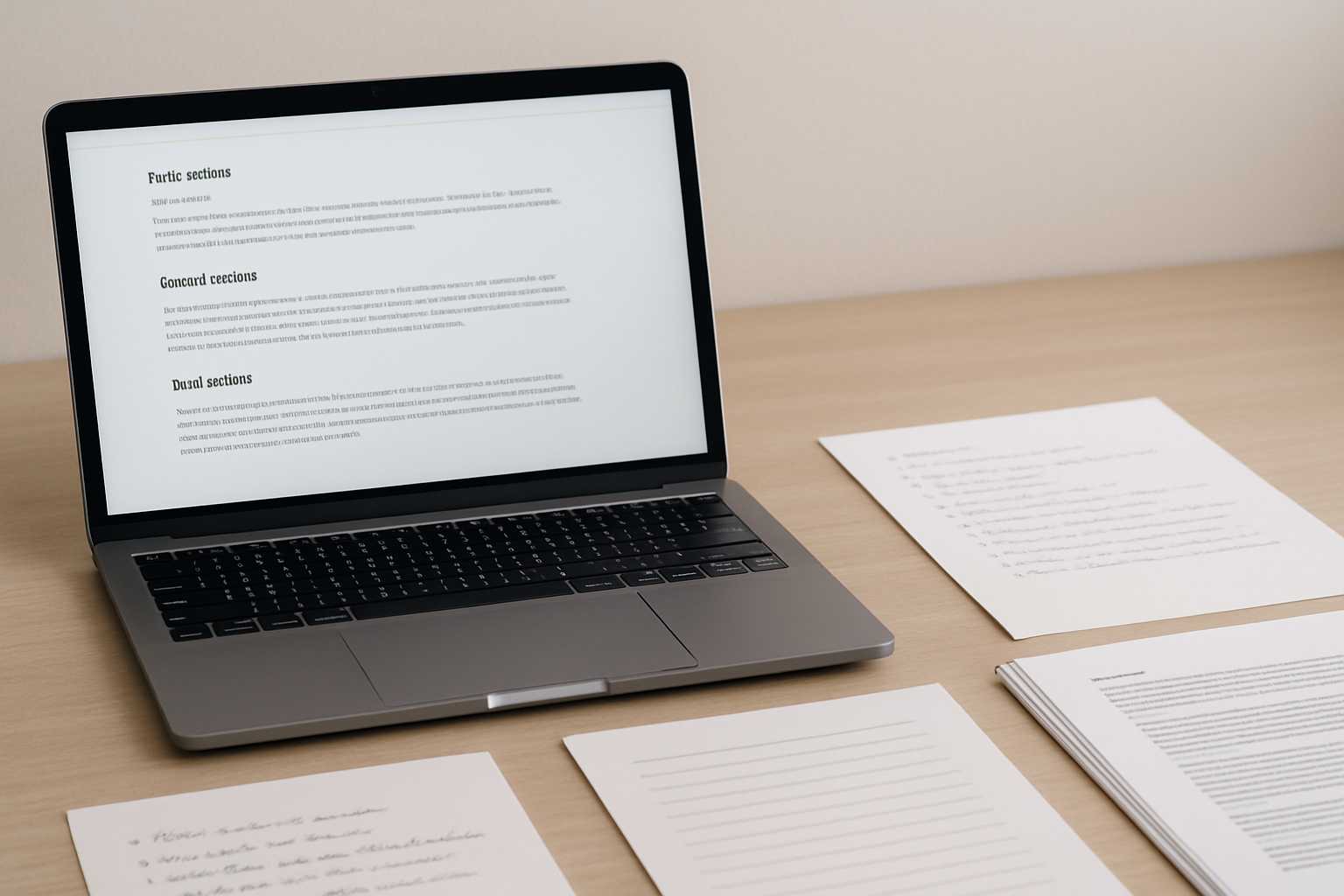
Raw text is where so many good ideas begin. Notes from a meeting, a rough outline for a project, a quick draft written between tasks—these early versions have a certain honesty to them. But when it’s time to share the ideas with someone else, the roughness can get in the way. Before turning text into a more polished or shareable format, it helps to bring a little order to the chaos.
Why raw text usually needs a moment of structure
The beauty of raw text is that it doesn’t interrupt your thinking. You write without worrying about format, spacing, or presentation. But the moment another person becomes part of the conversation, clarity matters. A line break that made sense during writing might look confusing when someone else reads it later. A cluster of ideas typed quickly might need space to breathe.
This doesn’t mean rewriting everything. Often it’s just a matter of shaping the document so readers don’t have to guess what belongs where. Small touches can make an enormous difference.
Finding the natural structure inside your notes
Most raw text already contains a kind of hidden structure—you just have to reveal it. A rushed paragraph might actually contain three separate thoughts. A block of notes from a meeting might split naturally into topics. Once you recognize those patterns, organizing becomes less about editing and more about surfacing what’s already there.
For example, if you tend to type ideas as they come, you might later group them by theme. Or if you write long paragraphs while thinking, you might revisit them and break them into smaller units that guide the reader. These changes don’t alter the content. They simply help it breathe.
Simple ways to clean up raw text before converting it
Raw text doesn’t need decoration, but it does benefit from intentional spacing and hierarchy. A few small adjustments help the content feel prepared without making it look overly polished.
- Add clear breaks between major ideas so the structure becomes obvious.
- Use quick headings or labels where transitions aren’t obvious.
- Keep sentences that belong together close, and separate the ones that shift direction.
- Remove artifacts of fast typing—half thoughts, duplicated lines, or notes meant only for you.
Once the text feels steady and readable, converting it to a stable format becomes easier. Sometimes this means sending it as a PDF after a quick pass. It’s natural to reach for something simple like https://www.knowadvance.com/text-to-pdf when you need the file to look consistent for anyone who opens it.
Examples of how people organize their raw text
Everyone develops their own style. Some people naturally write in short fragments and later group them. Others write long streams and break them apart afterward. A few examples show how different these approaches can look.
A project manager might keep scattered notes during a planning session. Later, they rearrange those lines under the major sections of the project so the final document reads smoothly. A developer might write an unfiltered explanation of how a feature works, then add headings and spacing so teammates can skim it. A researcher might draft dense paragraphs, then separate definitions, findings, and questions into their own spaces.
None of these approaches are formal. They simply give shape to ideas that started out as a tangle.
Choosing formats that help your text travel well
Once organized, text needs a format that preserves its clarity. Some people prefer Markdown because it keeps things lightweight. Others export to PDF because it locks in the layout and prevents accidental changes. Either choice works as long as it protects the readability you just created.
This is also where other small tools can help. If your organized notes need to be combined with additional documents, guidance like the article on merging multiple PDFs can be handy. And if the final file feels too large for sharing, the piece on keeping PDF sizes manageable fits naturally into the workflow.
When to reorganize and when to leave things as they are
Not every raw document needs tidying. Sometimes a quick spacing fix is all it takes. Other times, the text is only for you, and polishing it would slow you down. The key is noticing when someone else needs to depend on what you’ve written. That moment usually signals that structure will be helpful.
If a teammate needs to reference your notes later, organizing them prevents confusion. If a client will read the file, clarity becomes a courtesy. If the content is heading toward long-term storage, structure helps future readers understand the context without guesswork.
Why small adjustments make a big difference
The gap between raw text and shareable files isn’t about polish—it’s about readability. Even minimal structure helps ideas land the way you intend. A spaced-out outline might replace a block of dense writing. A small heading might replace a mental jump. These changes take seconds but save readers minutes of effort.
Instead of rewriting or redesigning the document, you’re simply making the path through the ideas easier to follow.
A calm conclusion
Organizing raw text isn’t about transforming it into something formal. It’s about guiding readers through ideas that began in a loose, unfiltered state. A few thoughtful adjustments, a bit of spacing, and a moment spent clarifying the flow can turn a rough document into something you feel comfortable sharing. When the structure supports the message, the ideas themselves come through more clearly.