Minimalist Workflows for Turning Everyday Notes Into Dependable Documents
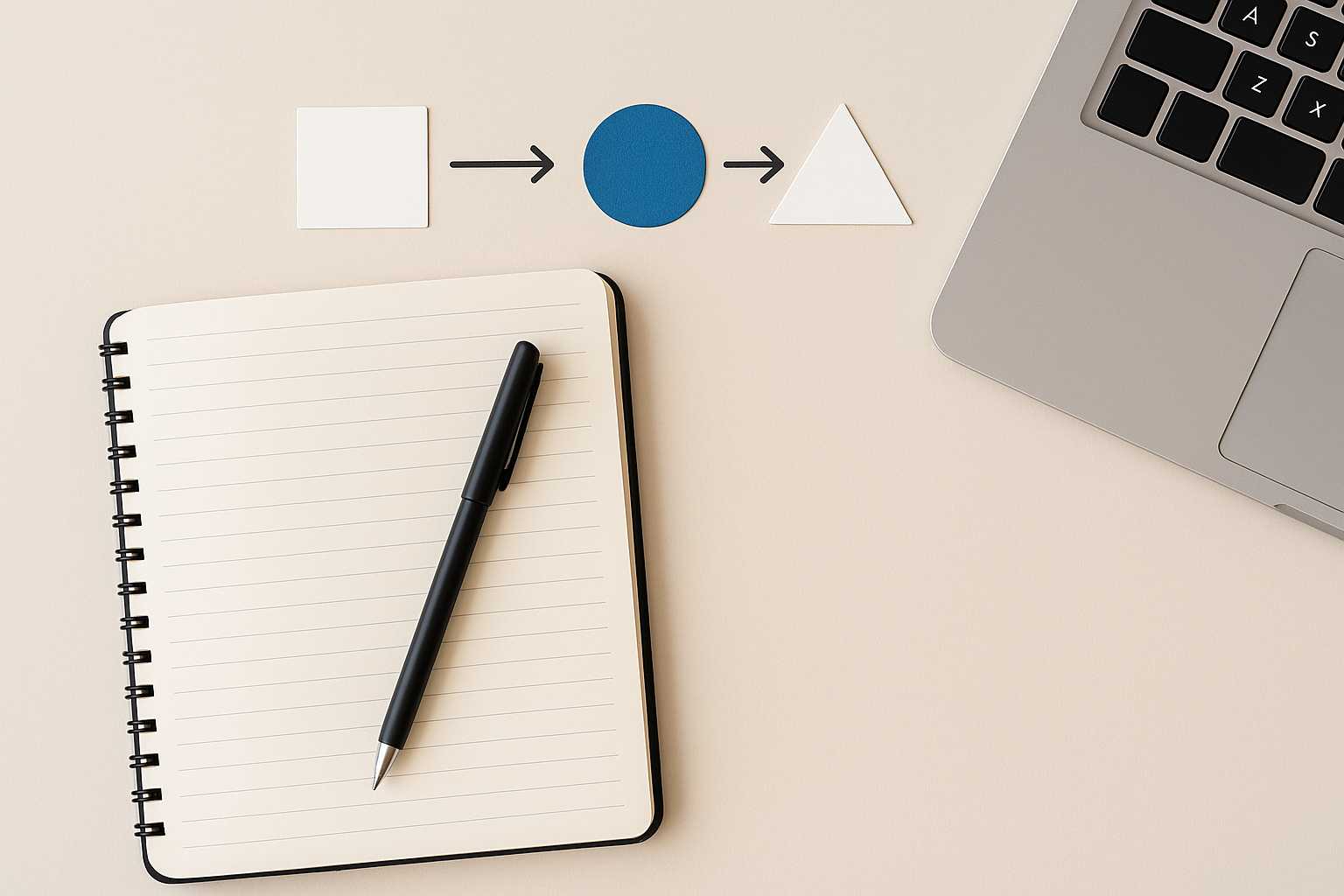
If you spend enough time writing—whether it’s for work, learning, or your personal projects—you eventually notice a familiar pattern: notes multiply, ideas scatter, and documents never quite feel finished. It’s not that the ideas aren’t good; it’s that the workflow between raw notes and finished writing is often messy. A minimalist workflow offers a quiet alternative, helping you turn loose scraps of text into clear, stable documents without wrestling with layers of process.
Minimalism in writing isn’t about stripping everything down to the bare bones. It’s about removing the friction that drains your attention. When the path from idea to output feels uncluttered, you naturally think better, edit better, and finish more often. The practices below aren’t rigid rules; think of them as small, practical habits that make it easier to move from chaos to clarity.
A gentler way to capture notes
The first step in any workflow is where thoughts land. Many people treat note-taking as a pre-document activity, but in a minimalist system, notes already carry the seed of the final piece. Instead of capturing everything, you capture only what you’re willing to revisit. A short paragraph, a fragment, a quick outline—these are often enough.
Over time you start recognizing patterns. A voice memo you transcribed may echo an idea from a meeting. A sentence written on your phone might align with something you explored earlier in a research document. Minimalist note-taking is less about completeness and more about reducing the distance between inspiration and structure.
If you prefer digital notes, keep them in a single place, not scattered across ten apps. The fewer places you need to check, the more your attention stays focused on writing instead of searching. Even physical notebook users can adopt this mindset by keeping one primary notebook and dedicating a few minutes each week to skim for anything worth developing.
Shaping messy ideas into calm structure
Once notes gather in one place, the next challenge is turning them into something coherent. This is where most people get stuck. There’s a temptation to perfect the structure too early or force the writing into a shape it’s not ready for. A minimalist workflow avoids both extremes.
Start by identifying what already feels solid. Maybe one paragraph stands out as the heart of the idea. Build around it. Let the structure grow naturally instead of forcing an outline from the start. A light outline can help, but it should feel more like a guide than a container.
Some writers like to create a holding document—essentially a sandbox where ideas can move, stretch, and settle. This document isn’t meant to look polished. It simply acts as the bridge between scattered notes and a more stable draft. The beauty of this method is that you never lose momentum; the writing shifts gradually rather than abruptly.
Turning drafts into stable documents
Stability in a document doesn’t mean perfection. It means the content is consistent, readable, and ready to be used or shared. This stage benefits from a few gentle habits.
One habit is letting the draft rest. Even a few hours away can reveal unnecessary sentences, missing threads, or awkward transitions. Another helpful habit is reading your work out loud—quietly if you're in a coffee shop. It’s surprising how quickly your ears catch what your eyes missed.
When converting drafts into clean formats, some people use quick tools instead of large software, often linking to something simple like this text-to-PDF converter while finalizing a document for sharing. A minimalist workflow treats formatting as a final polish, not a creative step, and keeping it simple helps prevent distraction.
Examples of minimalist note-to-document flows
Workflows differ depending on the type of writing, but a few examples can spark your own ideas:
For personal research: A writer keeps all notes in a single digital file. Each week, they move any promising fragments into a draft document. Over time, the draft grows into an essay or long-form piece.
For work documentation: A software engineer records short, clear notes after each sprint. Once a month, those notes combine into a stable internal guide with clean sections and consistent wording.
For students: Class notes begin as rough phrases. After class, the student rewrites just the parts they need for understanding. By mid-semester, those refined sections naturally form the base of a study document.
Where small tools fit naturally
A minimalist mindset also changes how you think about tools. You use fewer, but you use them more intentionally. A document converter or outline tool becomes something you reach for only when it actually solves a problem. If you're organizing long-form work, for example, you might casually link to older notes or reference a summary from a related article such as the one on improving writing structure or a guide on lightweight editing techniques on the same site. These smaller internal loops help you keep everything connected without adding clutter.
Two or three well-chosen internal references can also make a workflow feel grounded. If you’ve explored topics like building smoother writing habits or using simple digital tools to stay organized, linking to those posts within context creates a natural navigation path. It’s less about SEO and more about giving your future self easy access to related ideas.
The finishing pass that makes documents feel reliable
After structure and polishing comes the final pass—the one that makes a document feel steady. This is where you confirm that headings make sense, the paragraph flow feels intuitive, and the tone carries consistently from start to finish.
A minimalist finishing pass doesn’t require a checklist. You’re simply making sure the document reads the way you intended. Some writers like to print a copy, others switch to a different font temporarily. Any method that helps you see the text with fresh eyes works.
If the document is long or important, consider a second rest period. Distance clarifies intention. When you return, you often notice which parts feel anchored and which parts feel like they’re still drifting. Adjust those gently.
Why minimalism works so well for writing
What makes minimalist workflows effective isn’t the absence of tools or structure—it’s the absence of noise. Every unnecessary step removed gives you more attention for the writing itself. Ideas settle faster, revisions feel smoother, and documents gain a sense of reliability that emerges naturally rather than through force.
In the end, minimalist writing isn’t about working less. It’s about working with a calm mind. When the workflow supports clarity instead of competing with it, your notes stop being scattered fragments and start becoming stable documents you can trust—and enjoy creating.