Creative Non-Marketing Uses for QR Codes in Daily Routines
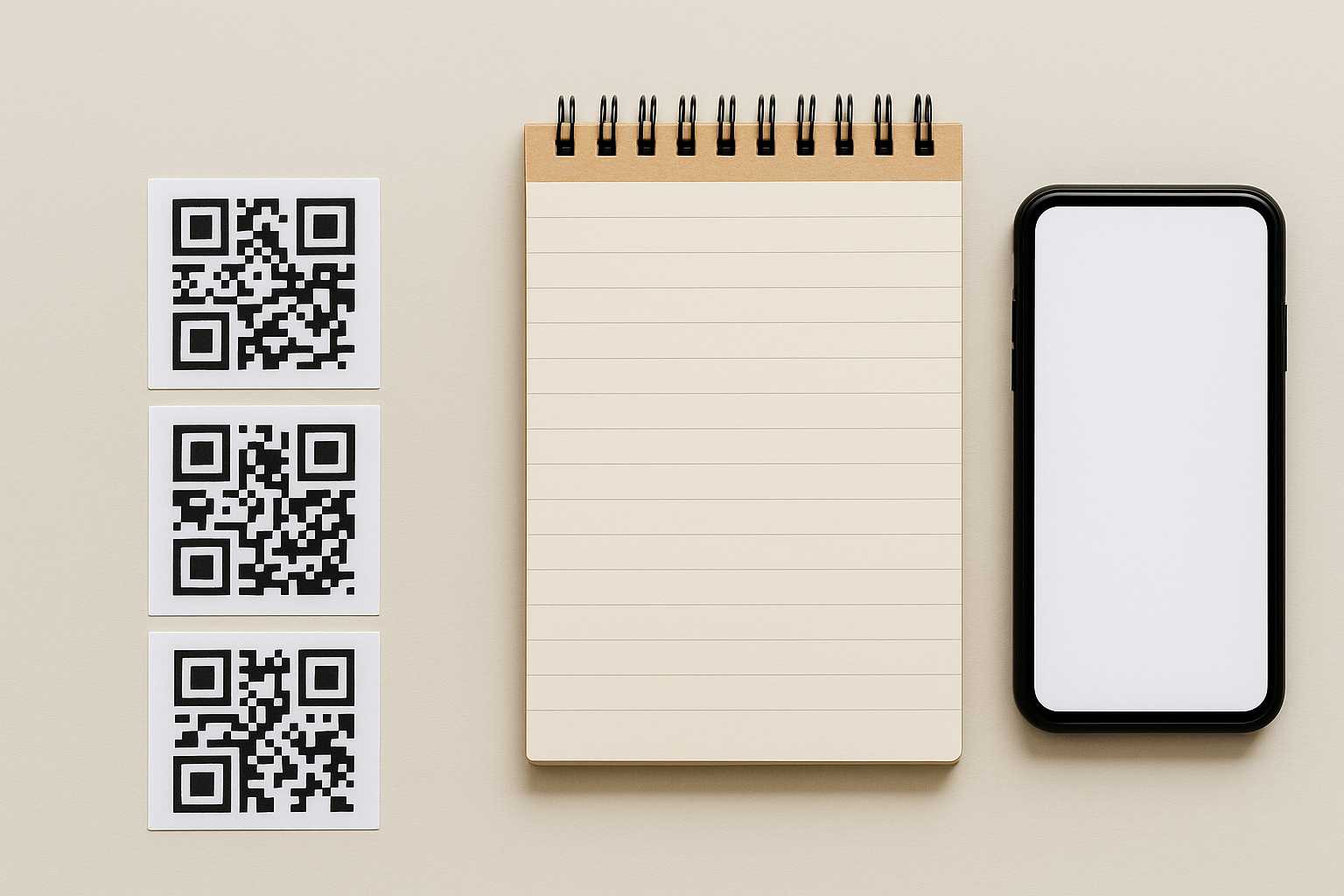
Most people associate QR codes with ads, posters, or checkout counters, but they quietly shine in everyday routines when used creatively. Once you start placing small links between physical objects and digital notes, you begin to notice how many tiny moments become easier. QR codes aren’t just functional—they can be thoughtful additions to the rhythms of a home, workspace, or hobby.
Why QR codes work well in personal routines
Daily routines often live in a mix of physical habits and digital references. You might have a notebook for ideas, a calendar app for reminders, photos saved for inspiration, and instructions hidden somewhere in your email. QR codes help connect these scattered pieces by placing shortcuts exactly where you need them.
They don’t require new apps or special accounts. A phone camera is enough. This simplicity makes them surprisingly flexible for personal use, especially when you want small systems without turning them into big projects.
Adding clarity to household spaces
Homes naturally accumulate little tasks—refilling supplies, maintaining appliances, remembering where things go. QR codes can gently support these routines without taking over.
For example, you can place a QR label inside a cleaning supply cabinet linking to a quick list of items to restock. Or add one near a water filter system with the date it was last changed and a link to a simple reminder note. These small references prevent the “I’ll check it later” moments that tend to get forgotten.
Storage areas often benefit too. A bin of seasonal items can have a QR code leading to a contents list so you don’t have to dig through everything to find one item. It keeps things tidy without needing elaborate labels.
Supporting hobbies and personal projects
Hobbies come with their own mini-systems—tools, guides, notes, progress logs. QR codes let you keep the inspiration close without spreading materials everywhere.
A painter might attach a QR code to a sketchbook cover linking to a gallery of reference images. A gardener might place a small tag near pots or planters that leads to plant care notes. A musician can keep practice routines tied to specific instruments by attaching codes to cases.
If you’re exploring ways to bring structure to your personal tasks, guides like visual task organization ideas or pieces on simple labeling systems might offer good companion concepts.
Helping shared routines feel smoother
Families, roommates, or small teams often share responsibilities, yet communication about these tasks tends to slip. QR codes can quietly coordinate these moments without adding meetings or long threads of messages.
For instance, a QR code on a fridge shelf can link to a shared grocery list. If someone finishes the last of something, they update it on the spot. A label near a pet’s food container can link to feeding notes or vet appointment info. A shared chores chart becomes easier to access when a QR tag ties to a simple editable checklist.
Using QR codes to simplify learning and reference moments
Daily routines often involve repeated steps that are easy to forget. QR codes help by placing guides where they naturally fit. A code inside a toolbox drawer can link to quick tutorials for items people rarely use. A code near a sewing machine might take you to threading instructions, saving you from pausing to look it up each time.
Students often enjoy these shortcuts. A code inside a study notebook could point to formula sheets or research bookmarks. A QR label on a binder might connect to assignment deadlines or class notes.
Bridging offline items with digital memories
QR codes can also add a personal, almost sentimental touch to spaces. A printed photo album might have a small QR code on the inside cover linking to video clips from the same event. A journal entry could have a QR link to a playlist that inspired the writing. A recipe card might contain a code pointing to a family video showing how the dish is made.
These small gestures create layers of memory that feel natural and private—no social sharing required unless you choose to.
Setting up QR codes without overthinking the process
You don’t need technical skills to start. Generating a QR code takes seconds with tools like this simple generator, and printing them on plain paper works fine. The important part is choosing only the links that genuinely support your routines.
Start with one or two ideas, see how they feel, and let your system grow on its own. The goal isn’t to label everything—it’s to create little bridges that reduce friction.
Examples that show just how versatile QR codes can be
Here are a few quiet but helpful places people often use them:
- A kitchen cabinet that links to a rotating meal plan or recipe notes
- A suitcase tag that opens a packing checklist for upcoming trips
- A workshop drawer that leads to specs, diagrams, or project logs
- A child’s toy bin that links to assembly instructions or missing-piece notes
None of these need a complicated setup. They simply replace moments of searching with moments of clarity.
Keeping QR code use gentle and intentional
The best non-marketing uses for QR codes don’t call attention to themselves. They blend in, offering help only when needed. When placed thoughtfully, they become part of the environment—quiet tools that support rather than distract.
As your routines shift, QR codes can shift with them. They’re easy to update, remove, or repurpose, which keeps the system from feeling rigid.
A calm conclusion
QR codes may be simple, but they open the door to countless small improvements in everyday life. When used creatively, they help connect physical routines with digital support in a way that feels natural. They fade into the background until the moment you need them, and then they make everything just a little easier to follow.