Lightweight Collaboration Tricks Using Simple Generated QR Codes
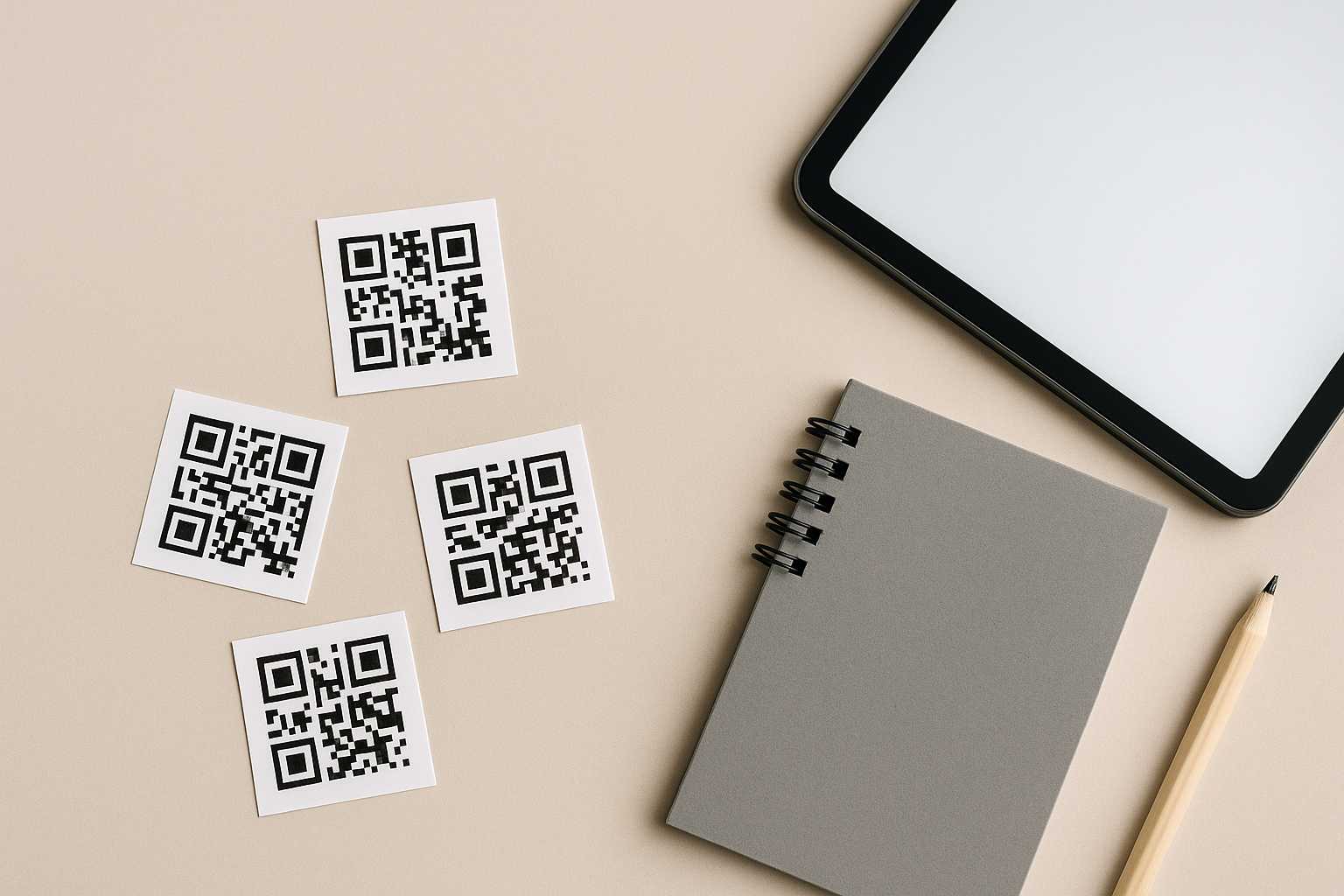
Collaboration doesn’t always require big platforms or expensive software. Sometimes the smallest tools end up solving the most persistent coordination problems. QR codes fall into that category more often than people expect. They’re easy to generate, simple to share, and surprisingly effective when a group just needs a quick way to stay aligned without building a full system around it.
How QR codes smooth out small teamwork moments
Teams frequently run into situations where everyone needs access to the same piece of information, but keeping it updated or reachable becomes awkward. A QR code placed in the right spot fixes that without adding another login or shared folder to the mix. When someone scans the code, everyone lands on the exact same link or note—no hunting for documents or digging through chat history.
Think about shared workspaces. A team might keep a simple list of ongoing tasks taped near a tool cabinet, but the board becomes outdated quickly. Linking a QR code to a lightweight note lets anyone update the list on their phone, while the physical sign stays the same. The workflow feels natural, almost quiet, yet it keeps everyone on the same page.
Where QR-based collaboration feels especially natural
Not every collaboration scenario needs structure. Some just need a quick, reliable reference that everyone can reach. QR codes tend to fit naturally in situations where people are moving around or working hands-on.
One common use happens during small events or workshops. When you need participants to access shared materials—slides, worksheets, or schedules—a single printed QR code saves time. Instead of handing out links or collecting email addresses, scanning takes a second and you’re done.
Another simple example comes from team onboarding. A fresh hire often has dozens of questions that don’t require long explanations but do need consistent answers. A QR label on a shelf, machine, or binder can point to quick notes or brief instructions. It keeps repetitive questions from piling up while still giving new members the clarity they need.
Experimenting with QR codes for shared resources
Many teams maintain shared resources that get updated frequently—templates, guidelines, small checklists, or reference charts. QR codes act like stable entry points into these documents. Once the label is placed somewhere visible, the linked content can evolve without anyone having to reprint or redistribute anything.
During setup, you might create a few codes using a simple generator like this tool so that the links feel clean and easy to scan. After that, it’s just a matter of deciding where the QR code should live.
QR-based systems also blend well with other organizational methods. For example, if your team uses a lightweight visual board for tracking ideas, you can attach a QR label to a project card that leads to deeper notes or a set of files. If you’ve read the article on task organization with visual boards, this complements that process nicely. You might even pair it with guidance from a piece discussing digital labeling strategies to keep your materials consistent.
Quick collaboration wins without committing to heavy tools
One of the most appealing things about QR codes is how non-intrusive they are. You don’t need to train people or enforce a new habit. If someone wants the information, they scan. If they don’t, the code sits quietly until needed.
This light-touch approach works well in mixed teams—people working remotely, some on-site, others moving between both worlds. A QR code on a shared whiteboard might connect to a meeting agenda that everyone edits. A code near a prototype can link to notes about issues or ideas. Even something like a communal supply cabinet can become easier to manage when a QR label leads to a quick inventory list.
Because the linked content can be anything—a shared note, a form, a small instructions page—teams can adjust the system to suit different rhythms. Nothing needs to be locked in. If a process changes, you update the note instead of the label.
Blending physical spaces with digital collaboration
Teams often underestimate how helpful a tiny digital reference can be when placed in a physical environment. QR codes essentially anchor information to the exact place where it’s needed. If someone is repairing a device, a code can link them to a troubleshooting checklist. If the group is rotating responsibilities, a code near the workstation can point to the schedule.
These small anchors work especially well in creative studios, community groups, volunteer projects, and small offices where roles overlap and communication happens informally. Because the setup takes only a few minutes, there’s little pressure to make it perfect.
A few real-world examples that show what’s possible
Consider a group working together on a shared art project. Instead of passing around a folder of sketches, the team can place a QR code in their workspace that connects to a shared gallery. When someone adds a new piece or changes direction, everyone sees the latest version instantly.
Or take a small team managing a pop-up booth. QR codes taped to supply crates can lead to quick lists of what belongs where. During setup and teardown, scanning a label prevents items from getting misplaced. This isn’t about high-tech solutions—it’s about reducing small friction points that slow people down.
Even something as simple as a rotating meeting host schedule can be handled with a QR code. It’s easy for schedules to get buried in group chats, but a printed code attached to a bulletin board keeps the information alive and accessible.
Keeping collaboration light and adaptable
QR codes rarely demand commitment. They offer just enough structure to support shared work without adding overhead. Most teams benefit from starting small—maybe one code for shared resources, another for notes, and a third for something frequently asked about. As the group finds value, it becomes clear where more labels might help.
What matters most is that the system stays flexible. Collaboration shifts as projects evolve, and tools should adapt rather than force a particular style. QR codes, by nature, leave room for experimentation.
A quiet conclusion
Lightweight collaboration thrives on tools that stay out of the way while still keeping people connected. Simple QR codes offer that balance—they bridge small gaps, simplify access, and help teams share information without building new routines from scratch. When used thoughtfully, they make group work feel calmer, clearer, and easier to navigate.